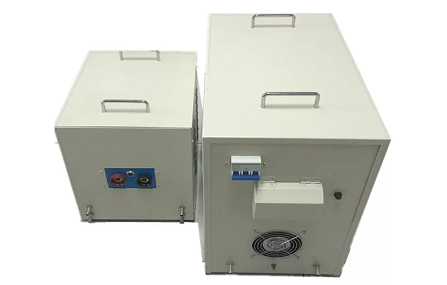
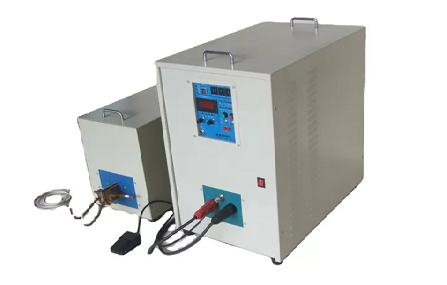
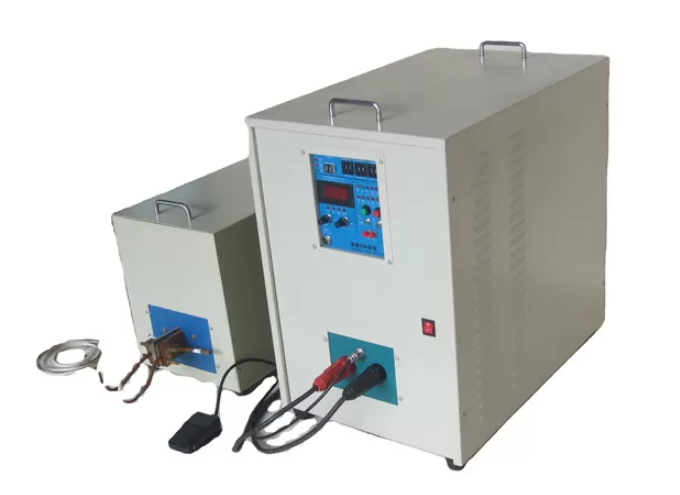
An induction quenching machine uses induction heating technology to rapidly heat the surface of metal components and improve their hardness and strength. This process enhances surface durability, helping parts achieve longer service life and better performance. Hitfar provides reliable induction quenching solutions for manufacturing and metalworking applications. Understanding induction quenching and induction hardening technology can help you select the right equipment for your specific production needs.
Key Takeaways
◆ Induction quenching machines rapidly heat metal surfaces to improve hardness and strength, helping metal parts achieve longer service life and better performance.
◆ The induction quenching process uses an induction coil to heat metal and then quickly cools it through quenching. This creates a hard outer layer while maintaining a flexible and tough inner structure.
◆ Induction hardening saves energy and processing time by heating only the required areas. It also helps reduce costs and provides better control over the final hardness of metal components.
◆ Induction quenching is suitable for various metals, including steel and stainless steel. It is widely used in industries such as automotive manufacturing and industrial production.
◆ Choosing the right induction quenching machine helps improve production efficiency and maintain consistent processing quality for different manufacturing requirements.
Induction Quenching Machine Overview
What Is Induction Quenching
Induction quenching is a process that makes metal surfaces harder and stronger. It uses induction heating to heat only the outer surface of a metal part. First, the workpiece is placed inside an induction coil, which creates a magnetic field and rapidly heats the metal surface. After heating, the metal is quickly cooled with water or oil. This cooling process is called quenching. The rapid cooling helps create a hard surface layer while keeping the inside of the part tougher and more flexible.
Induction quenching is suitable for components that require a wear-resistant surface and strong internal toughness. It is widely used in many industries where durable and high-performance metal parts are required.
Induction quenching can be applied to various metals, including structural steels, unalloyed steels, alloy steels, stainless steels, duplex steels, and zirconium. It helps improve service life and wear resistance.
Key Features of Induction Quenching Machines
Induction quenching machines include several key components, such as a heating inductor, power supply, load-matching system, and water cooling system. Inductors are available in different shapes and sizes to meet different processing requirements.
During heating, the metal part is positioned inside the coil. Some machines are compact and have a footprint similar to a Euro pallet, while some models are equipped with CNC rotary tables for easier loading and unloading. Medium-frequency or high-frequency energy can be used for heating, and many machines feature built-in water-cooled converters. These systems can handle metal parts ranging from lightweight components to heavy workpieces.
Hitfar provides induction quenching machines with advanced control systems for precise temperature and energy adjustment. This helps achieve stable processing results, faster cycles, and flexible hardness control for different applications.
Induction quenching machines are used for treating metal parts such as crankshafts, steering components, drive parts, linear technology components, and screws. These components require hardened surfaces to withstand stress and wear.
Tip: Choosing the right inductor shape for your workpiece helps achieve better induction quenching results.
Induction Hardening vs. Other Methods
Induction hardening offers several advantages compared with other heat treatment methods. It heats only the required surface area, which helps reduce energy consumption and material waste. The process is fast and precise, allowing better control over the hardness and depth of the hardened layer. Induction hardening is ideal for components that require a hard surface while maintaining a tough and durable core.
Other methods, such as flame hardening and furnace hardening, heat the entire component. These processes typically require more energy and longer processing times, while offering less control over hardness and treatment depth. Induction hardening allows manufacturers to treat specific areas according to different application requirements.
Induction hardening machines improve the performance and service life of metal components. They are widely used in industries such as automotive manufacturing, machinery production, and tool manufacturing.
Method | Heating Area | Speed | Energy Use | Control Over Hardness |
Induction Hardening | Surface only | Fast | Low | High |
Flame Hardening | Whole part | Medium | High | Medium |
Furnace Hardening | Whole part | Slow | High | Low |
Induction Quenching Machine Process
Induction Heating Principle
An induction quenching machine heats metal components quickly through the principle of induction heating. The process begins by placing the metal part inside a copper coil. The coil is connected to an induction heating generator. When the system is activated, the generator sends electrical currents through the coil, creating a magnetic field around the metal component. This magnetic field generates eddy currents inside the metal, which rapidly heat the surface.
Induction heating is widely used for surface hardening applications. The heating area can be adjusted by changing the coil frequency and design. Multi-frequency induction hardening allows the heating zone to better match the shape of components such as gears and bolts, providing better control over the hardness and depth of the hardened layer.
The design of the induction coil is critical to the heating performance. A properly designed coil that matches the workpiece shape ensures uniform heating and creates a strong hardened layer. If the coil position or design is not suitable, some areas may become overheated or insufficiently heated.
Note: The shape and position of the induction coil directly affect heating results. Always select and adjust the coil design according to the workpiece requirements.
Modern induction quenching machines are equipped with advanced control systems that allow precise adjustment of temperature and energy levels. This helps achieve consistent processing results. The induction heating generator enables rapid heating to the required temperature, while fast heating and cooling are essential for achieving the desired hardening effect.
Quenching and Cooling Steps
After heating the metal surface, it must be cooled rapidly. This step is known as quenching. The process includes several steps to improve the hardness and strength of the metal:
1. Preheating: Heat the workpiece before the main heating process. This helps reduce the risk of thermal shock during rapid heating and cooling.
2. Induction Heating: Use the induction heating generator to heat the surface layer of the metal component. The heating process is fast and precisely controlled, allowing only the required area to be hardened.
3. Quenching: Rapidly cool the heated area with water, oil, or another quenching medium. The fast cooling process changes the metal structure, creating a hard surface layer with improved toughness and wear resistance.
4. Tempering (Optional): In some cases, the component is reheated to reduce internal stress. This improves toughness while maintaining the required hardness.
Quenching creates a hard outer layer while maintaining a strong internal structure. The hardness and depth of the hardened layer can be controlled by adjusting heating time and quenching speed. Induction hardening machines enable repeatable processing with high accuracy, ensuring consistent results.
Tip: Rapid heating and cooling help create a strong hardened layer. Always monitor the temperature carefully to achieve the best processing results.
Bolt Induction Quenching Machine Applications
A bolt induction quenching machine is used to treat bolts and fasteners. Induction quenching improves the surface hardness of bolts, helping them achieve longer service life and better resistance to wear and damage. The process forms a bainitic-martensitic structure in the hardened layer, which improves fatigue strength and overall toughness.
Bolt induction quenching machines are widely used in automotive, construction, and machinery industries. They help manufacturers produce bolts that can withstand heavy loads and demanding working conditions. Since induction quenching allows selective hardening of specific areas, it helps reduce energy consumption and material waste.
Induction hardening is suitable for many metal components, not only bolts. An induction hardening machine can also be used for gears, shafts, and other parts that require improved surface performance. The induction quenching machine provides fast heating and cooling, precise control, and consistent processing quality, creating a hardened layer exactly where it is needed.
Callout: Induction quenching helps improve the strength and service life of bolts and other metal components. It provides better performance while reducing maintenance costs.
Induction quenching is an effective method for improving surface hardness. It uses induction heating for localized heating and quenching to create a strong, wear-resistant hardened layer. The process is fast, efficient, and easy to control, helping manufacturers achieve better results with lower energy consumption and shorter processing times.
Advantages of Induction Hardening Machine
Surface Hardening Benefits
Induction hardening machines significantly improve the surface hardness and durability of metal components. Induction quenching creates a hardened layer on the outer surface, helping parts achieve longer service life and better resistance to wear and damage. Since the process only heats the required surface area, the inner structure remains strong and flexible.
Your components can achieve better performance in demanding applications, such as automotive parts and gears. Induction hardening improves part reliability by reducing deformation and minimizing surface defects. The process provides consistent results, helping maintain stable product quality.
◆ Short hardening times
◆ Hardening of small and specific areas
◆ Nearly scale-free surfaces
◆ Reduced distortion
◆ Repeatable hardening process and consistent results
Tip: Induction quenching helps maintain consistent product quality throughout the production process.
Efficiency and Precision
Induction hardening machines provide fast processing and efficient energy use. They heat only the areas that require hardening, helping reduce unnecessary energy consumption. Compared with traditional furnace heating, induction hardening can save energy and improve production efficiency.
These machines can be easily integrated into automated production lines, helping lower operating costs and increase output. With precise control of heating parameters, manufacturers can adjust frequency and coil design according to different workpiece requirements. This flexibility helps achieve stronger components with longer service life.
Method | Energy Savings |
Induction Hardening | Up to 30% |
Traditional Methods (Ovens) | N/A |
Note: Induction hardening provides better process control and lower energy consumption compared with traditional hardening methods.
Industry Applications
Induction hardening machines are widely used across various industries. Automotive manufacturers use them for components such as crankshafts and powertrain parts. In additive manufacturing, induction quenching can be applied to improve the performance of 3D-printed gears. Gear manufacturers use induction hardening to produce stronger and more wear-resistant gears.
Heat treatment companies and powder metallurgy manufacturers also use these machines for different applications. With flexible configurations and advanced technology, induction quenching machines can meet various processing requirements and help users select the right solution for their specific needs.
Industry | Application |
Automotive | Crankshafts and powertrain components |
Additive Manufacturing | 3D-printed gears |
Gear Manufacturing | Inductive heat treatment |
Induction hardening machines help reduce energy consumption and lower CO₂ emissions. Cooling systems can use rainwater to improve water efficiency, while waste heat generated during the process can be reused to reduce environmental impact. Choosing the right induction hardening machine helps manufacturers produce better-quality parts, reduce operating costs, and support more sustainable production. Hitfar provides advanced machines with energy-saving features, high efficiency, and certifications such as ISO and CE.
You now understand how induction quenching machines work and why they are important in modern manufacturing. The main benefits include:
◆ Achieving accurate and consistent processing results
◆ Increasing production speed and output
◆ Maintaining a safer and cleaner working environment
◆ Reducing machine operating costs
◆ Ensuring stable product quality
Choosing Hitfar's induction quenching solutions helps improve energy efficiency and allows easy integration into production lines. With precise control over the heating process, manufacturers can achieve reliable results and improve component performance. Induction hardening provides an effective way to create stronger parts and optimize manufacturing processes.