How IGBT Technology Works in Induction Heating
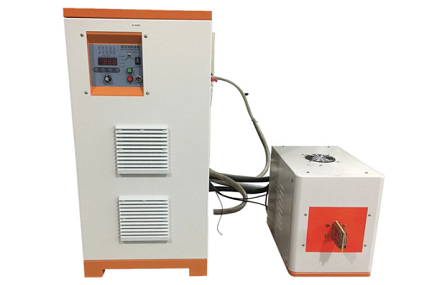
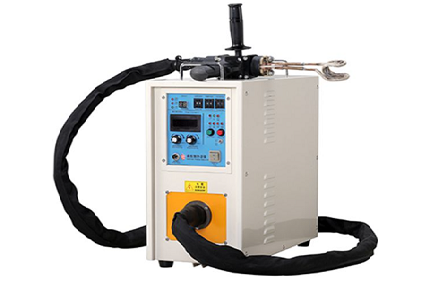
Induction heating uses solid-state Insulated Gate Bipolar Transistors (IGBTs) to convert standard 50 or 60 Hz AC power into high-frequency AC power, typically ranging from 20 kHz to 100 kHz. This high-frequency power is supplied to an induction coil, which generates a strong alternating magnetic field. When a conductive metal object is placed within this field, induced electrical currents generate heat directly inside the metal without direct contact. Modern IGBT induction heating equipment provides precise digital control over heating power and temperature, enabling fast, efficient, and consistent metal processing with reduced energy loss.
Key Takeaways
◆ High-Frequency Power Conversion: IGBT technology converts standard AC power into high-frequency electricity for rapid and efficient induction heating.
◆ Contactless Heating: An alternating magnetic field induces electrical currents within conductive metal objects, generating heat directly inside the material without physical contact.
◆ Precise Power Control: Modern IGBT induction heating systems offer accurate heating adjustments, improve energy efficiency, and help reduce operating costs.
◆ Enhanced Electrical Protection: Integrated protection features help safeguard electronic components against abnormal voltage, current fluctuations, and other electrical faults.
◆ Versatile Industrial Applications: IGBT induction heating equipment is widely used for metal melting, forging, heat treatment, brazing, and other industrial heating processes. It is also suitable for induction cooktops and commercial kitchen applications.
What Is IGBT Induction Heating Technology?
Today's factories rely on IGBT induction heating technology to heat metals quickly and efficiently. This equipment uses advanced solid-state semiconductors to convert electrical power into high-frequency energy. It allows you to control metal heating more precisely while reducing energy waste and operating costs.
The Role of Solid-State Semiconductors
In older power units, vacuum tubes and SCR switches were commonly used to handle high-power applications. These components had limitations in switching speed and efficiency. Modern induction heating systems use IGBT technology instead.
An Insulated Gate Bipolar Transistor (IGBT) combines the key advantages of two transistor designs. It offers the voltage-controlled operation and high input impedance of a MOSFET, along with the low saturation voltage characteristics of a Bipolar Junction Transistor (BJT). This combination enables fast, high-power switching inside modern induction heating equipment.
The voltage-controlled gate allows an IGBT to operate with relatively little drive power. Meanwhile, its internal structure helps reduce conduction voltage drop when handling high currents. This makes IGBT technology suitable for industrial induction heating equipment that requires high power and efficient energy conversion.
Characteristic | IGBT | Power MOSFET | BJT |
Voltage rating | Very high (>1 kV) | High (<1 kV) | High (<1 kV) |
Current rating | High (>500 A) | Lower (<200 A) | High (>500 A) |
Input drive | Voltage-controlled gate, VGE 4–8 V | Voltage-controlled gate, VGS 3–10 V | Current-controlled base, hFE 20–200 |
Input impedance | High | High | Low |
Switching speed | Medium | Fast (ns) | Slow (µs) |
Hitfar specializes in IGBT induction heating power supplies designed to convert standard AC power into controlled high-frequency energy. Their systems provide stable power output for demanding industrial heating applications. Plant operators can rely on this equipment for metal melting processes, including copper melting and steel melting.
Resonant Inverter Architecture
Solid-state induction heaters use resonant inverter circuits to generate stable, high-frequency AC power. The inverter rapidly switches electrical current to transfer energy to the induction coil. Depending on the heating requirements and melting application, two common resonant inverter configurations are used: series resonant and parallel resonant inverters.
Topology | Circuit configuration | Main characteristics | Advantages |
Series resonant | Induction coil and compensation capacitor connected in series | Load appears purely resistive at resonance | Simple startup; lower voltage stress on transistors |
Parallel resonant | Induction coil and compensation capacitor connected in parallel | High equivalent impedance allows direct inverter connection | Strong load adaptability; wide power regulation range |
Series resonant circuits offer a relatively simple startup process and are suitable for applications such as brass melting. For large industrial melting operations, parallel resonant inverters are also widely used because they can accommodate high power demands. These systems help maintain stable power delivery as the temperature and electrical characteristics of the metal charge change during the melting process.
Hitfar provides high-power induction heating power supplies based on modern IGBT technology. Their control systems can adjust the operating frequency to support stable performance during demanding applications, including iron melting. This design delivers controlled high-frequency power to the induction coil for processes such as aluminum melting.
Reliable IGBT technology also helps improve heating efficiency and provides protection features against electrical faults and power fluctuations, helping safeguard sensitive circuit components during continuous industrial melting operations.
How the IGBT Heating Process Works
Electronic Stage: High-Speed AC Switching
IGBT induction heating systems convert grid power into high-frequency alternating current through several power conversion stages:
1. A bridge rectifier converts 400 V to 660 V three-phase AC mains into DC power, which is smoothed by a DC-link capacitor to provide a stable DC bus.
2. High-speed switches using IGBT technology rapidly switch the DC power at frequencies of up to 50 kHz.
3. An LC resonant circuit converts the switched power into high-frequency alternating current that flows through the induction coil.
This efficient conversion process supports reliable induction heating across industrial applications. High-power 1,200 V IGBT modules can handle demanding electrical loads in systems with power capacities ranging from 50 kW to 6,000 kW, depending on the equipment design. Modern IGBT technology helps reduce switching losses and protect sensitive power components. It also enables precise power and frequency regulation during continuous iron melting operations.
Advanced solid-state IGBT technology helps protect the induction heating power supply against abnormal voltage conditions. Fine frequency control supports consistent heating performance during copper melting and other metal processing tasks. Fast-switching IGBT components efficiently manage high electrical loads and adapt to changing operating conditions, helping maintain reliable performance in high-capacity aluminum and steel melting applications.
Electromagnetic Stage: Eddy Currents and Heat
High-frequency AC flowing through the induction coil generates a strong alternating magnetic field according to Faraday's law of electromagnetic induction. This changing magnetic field induces circulating eddy currents inside the metal workpiece. The electrical resistance of the metal converts these currents into heat through the Joule heating effect, with the volumetric heat generation rate expressed as p = ρJ², where ρ is electrical resistivity and J is current density. Classical eddy-current losses can be estimated using the formula Pₑ = kₑBₘₐₓ²f²t²m, while resistive heating power follows P = I²R.
The induced current density decreases exponentially with depth according to J(x) = J₀e⁻ˣ/ᵟ, where δ represents the skin depth.
At one skin depth, the current density drops to approximately 37% of its surface value. As operating frequency increases, eddy currents become more concentrated near the metal surface. Copper has a skin depth of approximately 652 μm at 10 kHz, decreasing to around 206 μm at 100 kHz under typical reference conditions. Due to its higher magnetic permeability, steel generally has a much smaller skin depth than non-magnetic aluminum at the same frequency, although the actual value depends on the material's properties and temperature.
For copper, the skin depth is approximately 652 μm at 10 kHz and decreases to around 206 μm at 100 kHz under typical reference conditions. Steel generally has a smaller skin depth than non-magnetic aluminum at the same frequency because of its higher magnetic permeability, although the actual value depends on material properties and temperature.
Industrial induction melting uses this electromagnetic heating principle to transform scrap metal and other metallic charges into molten metal. Specialized induction melting equipment delivers heat directly to the metal, supporting rapid melting and efficient production. Modern induction melting systems help optimize energy consumption, maintain consistent heating performance, and reduce unnecessary heat transfer to surrounding components.
Precise power regulation supports stable temperature control throughout each metal melting cycle. Rapid internal heating can accelerate brass melting and other alloy processing tasks, while controlled power delivery helps protect furnace linings during iron and steel melting operations. From scrap melting to final metal pouring, solid-state induction heating equipment provides flexible power control for demanding industrial applications.
Modern IGBT technology further improves power conversion and regulation, helping maintain efficient energy transfer throughout daily production shifts. Combined with appropriate coil design, operating frequency, and temperature monitoring, it supports reliable induction heating performance across a wide range of metal melting applications.
Advantages of IGBT Induction Heating Equipment
Modern factories use IGBT induction heating equipment to improve heating performance and production efficiency. This technology transfers energy to metal workpieces through electromagnetic induction without direct contact. The result is fast, controlled heating that can increase production output while reducing energy consumption.
High Thermal Efficiency and Energy Savings
Modern IGBT technology transfers energy to metal workpieces through an induction coil, generating heat directly within the metal. This reduces the need to heat surrounding air and equipment, helping minimize unnecessary heat losses. Efficient power conversion allows induction heating systems to deliver heat quickly and improve overall production efficiency.
Fast heating cycles help increase output during continuous melting operations. Industrial plants can process scrap metal more efficiently and maintain consistent production schedules. Controlled power delivery supports steel melting, iron melting, brass melting, and other alloy melting applications. It also helps accelerate aluminum melting while reducing unnecessary energy consumption.
With appropriate equipment selection and operating parameters, high-capacity induction heating systems can increase metal melting throughput and improve energy utilization. These advantages help manufacturers reduce operating costs while maintaining efficient production across demanding industrial applications.
Precise Power Control and Soft-Switching
Advanced IGBT technology enables rapid power adjustment under changing operating conditions. Temperature sensors can provide real-time feedback to a digital control system, allowing operators to adjust heating power and maintain the required process temperature. Closed-loop control helps improve temperature consistency during extended production runs and demanding applications such as copper melting and heat treatment.
Accurate power regulation helps prevent overheating, supports consistent product quality, and improves overall process control. By adjusting heating output to match the requirements of each stage, operators can achieve more stable heating performance throughout the production cycle.
Modern IGBT induction heating equipment can also use soft-switching techniques to improve switching efficiency and reduce electrical stress on internal components. Key advantages include:
· Adaptive switching control: Resonant inverter circuits can adjust switching operation to accommodate changing electrical loads and operating conditions.
· Reduced switching losses: Soft-switching techniques reduce switching energy losses under suitable operating conditions, improving power conversion efficiency and helping limit electromagnetic interference.
· Improved component protection: Proper switching control helps manage voltage and current stress, supporting reliable operation of the power electronics.
These features help IGBT induction heating equipment deliver stable power during demanding industrial heating tasks. Integrated protection functions can help safeguard sensitive circuit components against abnormal voltage and current conditions. With appropriate system design and maintenance, reliable IGBT technology supports long service life, reduces unplanned downtime, and helps manufacturers control maintenance costs while maintaining high production efficiency.
Key Industrial and Commercial Applications
Industrial manufacturing relies heavily on modern heating technology for speed and precision. Heavy processing plants choose IGBT induction heating equipment to maximize overall shop productivity.
Industrial Applications and Induction Melting
Factory operations use robust equipment across diverse heavy metal processing tasks. These core industrial applications include surface induction hardening, metal induction forging, seam welding, and induction annealing. Automotive, aerospace, and heavy machinery plants select induction melting furnaces for efficient melting during daily production shifts. In addition, semiconductor manufacturing uses specialized induction heating technology in certain applications that require precise thermal control.
Industry / segment | Evidence from the report |
Metal heating and forging (dominant demand segment) | Dominates demand; serves automotive, aerospace, and heavy machinery. |
Automotive | Principal end-user for EV battery and structural heating. |
Aerospace | Primary consumer in heat treatment and high-growth demand source. |
Heavy machinery | Key industry relying on forging, heat treatment, and annealing. |
Semiconductor manufacturing | Precision wafer processing, die bonding, and packaging. |
Foundries use metal induction melting furnaces to process raw metallic charges quickly. Induction hardening strengthens steel surfaces while preserving the toughness of the inner material. Workers use induction forging to shape heated alloy bars. Modern solid-state IGBT components deliver controlled current to induction coils, supporting stable heating performance.
High thermal efficiency accelerates continuous metal melting operations. Rapid processing increases plant output and daily productivity. Specialized systems support reliable iron melting and copper melting. Modern alloy melting systems enable faster processing cycles. Scrap melting helps recover valuable materials and reduce waste. Clean metal melting processes also help maintain efficient and controlled working environments.
Commercial Systems and Induction Cooking
Commercial kitchens use energy-efficient heating systems for fast food preparation. Food service facilities install modern induction cooktops as alternatives to gas burners. These appliances transfer electromagnetic energy directly to compatible cookware, such as iron pots.
Cooktop type | Energy transfer efficiency (heat delivered to food) |
Induction | 90% |
Electric resistance | 65–70% |
Gas | 40–55% |
High-efficiency cooking technology speeds up meal preparation while reducing heat loss. Restaurants choose induction cooktops for precise temperature control. Fast heating improves daily kitchen operations, while contactless heat generation helps improve kitchen safety. As a result, commercial induction cooking continues to gain adoption worldwide.
Induction configuration | Temperature capability | Typical application |
Air-cooled | Up to 400°F | Preheating with flexible blankets or cables |
Liquid-cooled | Up to 1,450°F | High-temperature preheating and weld stress relief |
Rolling induction | Up to 600°F | Pipe welding in fabrication shops |
Portable field system | Required temperature reached fast | On-site weld joint preheating in construction |
Hitfar also develops specialized equipment for demanding field applications. Operators typically follow five steps during stress relieving:
1. Clean the weld area and attach sensors.
2. Heat the weld at a controlled rate.
3. Hold the weld at the required temperature.
4. Cool the weld gradually.
5. Inspect the weld for defects.
Specialized field equipment can improve maintenance productivity. In one North American oil pipeline application, repair teams reduced encirclement sleeve repair time from 12 hours to 4 hours, significantly improving job site efficiency. Pipeline crews also use targeted preheating before welding joint seams. Field workers can perform stress relieving without open flames, helping improve safety and work efficiency. These specialized induction heating solutions support more productive pipeline maintenance operations.
Conclusion
Today's factories use modern IGBT technology for fast and precise power control. High-speed switching converts grid power into high-frequency energy for induction heating. This enables rapid heating during every induction melting operation. Many factories replace older power systems with modern IGBT technology to improve power conversion and maintain stable production. Simple digital controls help operators achieve precise temperature control during long induction melting runs. Modern plants use induction melting to improve scrap recycling and steel melting processes. Efficient induction melting reduces processing time, while optimized heating helps improve factory workflow. Hitfar supplies reliable IGBT induction heating equipment for industrial applications worldwide. Its advanced IGBT technology supports demanding heating tasks across modern manufacturing plants.
FAQ
Why Do You Choose IGBT Systems for Induction Melting?
IGBT systems provide fast power switching and efficient energy conversion during induction melting. They help improve scrap melting operations and maintain precise temperature control during daily steel melting tasks.
What Industrial Applications Rely on IGBT Heating Power?
IGBT induction heating equipment supports various industrial applications, including iron melting, brass melting, and copper melting. These systems provide rapid heating and precise power control for demanding manufacturing processes.
How Does IGBT Power Improve Alloy Induction Melting Performance?
IGBT power supplies can adjust operating frequency and heating power to maintain stable energy delivery during alloy melting. Efficient switching helps reduce power losses, improve production output, and protect sensitive components through appropriate electrical protection features.
Can You Use IGBT Units in the Field?
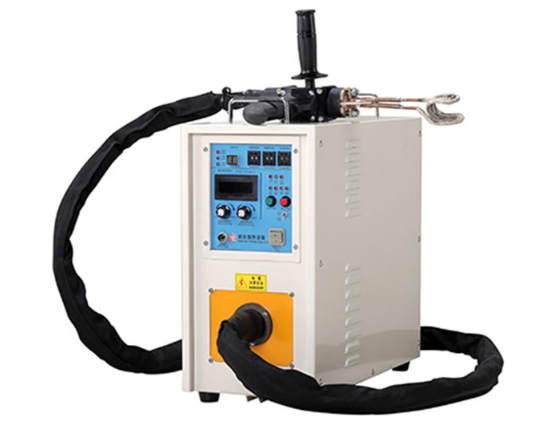
Yes, portable IGBT induction heating units can be used at remote job sites for pipe preheating and weld stress relieving. They deliver controlled heat directly to metal components without open flames, helping improve work efficiency and reduce certain fire hazards.
How Does High-Speed Switching Enhance Clean Induction Melting?
High-speed switching converts DC power into high-frequency AC power, generating eddy currents that heat metal internally. This process accelerates scrap melting and supports controlled metal processing, helping maintain consistent material quality during induction melting operations.