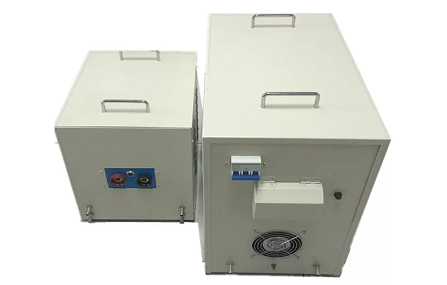
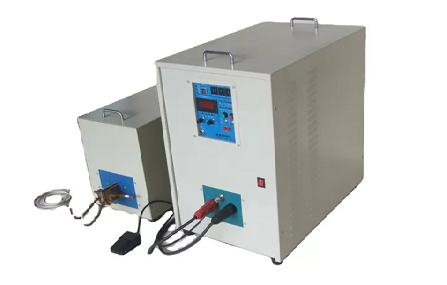
Proper maintenance is essential for keeping an induction quenching machine operating safely, efficiently, and consistently. Regular maintenance helps prevent unexpected downtime, maintain heating and quenching accuracy, and extend the service life of critical components such as induction coils, cooling systems, power supplies, and part-handling mechanisms.
A practical induction quenching machine maintenance program should combine routine inspections, cleaning, cooling system checks, calibration, lubrication, and preventive maintenance records. The following best practices provide a structured approach for maintaining induction hardening equipment.
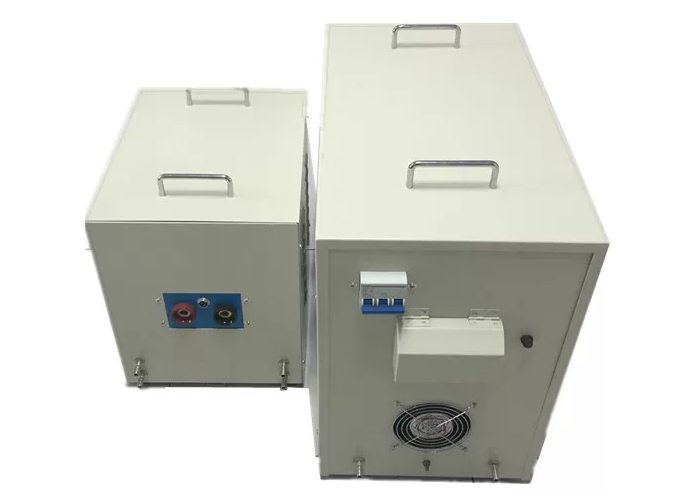
1. Perform Regular Inspection and Cleaning
Routine inspection is the first step in preventing small problems from developing into major equipment failures. Operators should visually inspect the induction quenching machine at scheduled intervals and check for abnormal conditions.
Key inspection points include:
◆ Induction coils and coil connections
◆ Power supply and electrical components
◆ Cooling lines and coolant connections
◆ Sensors and control components
◆ Conveyors and part-handling systems
◆ Fasteners, cables, and mechanical assemblies
Look for loose components, corrosion, coolant leakage, damaged cables, unusual wear, or signs of overheating. Any abnormal condition should be investigated before it affects production.
Cleaning is equally important. Dust, metal particles, scale, and coolant residue can accumulate around the equipment and interfere with heat transfer, electrical connections, or moving components. Keep the machine, induction coils, work area, and cooling components clean according to the equipment manufacturer's maintenance requirements.
2. Maintain the Cooling System
The cooling system is one of the most important parts of an induction quenching machine. Induction heating generates substantial heat, making effective cooling necessary for stable equipment operation and component protection.
Check coolant levels regularly and inspect the system for leaks, blocked lines, or abnormal coolant flow. Coolant that is contaminated, degraded, or below the required level should be replaced or replenished according to the manufacturer's specifications.
Heat exchangers and related cooling components should also be inspected periodically. Dirt, scale, and deposits can reduce heat-transfer efficiency and increase operating temperatures. Regular cleaning helps maintain effective heat dissipation and reduces the risk of overheating.
For machines operating continuously or under high production loads, monitoring coolant temperature and flow can provide an early indication of developing cooling-system problems.
3. Check and Calibrate Critical Parameters
Consistent induction hardening depends on accurate control of process parameters. Periodic calibration helps ensure that the induction quenching machine delivers the required power, frequency, temperature, heating time, and quenching conditions.
Sensors, controllers, power supplies, and temperature-monitoring devices should be checked according to the manufacturer's recommended maintenance intervals.
Coil alignment should also be verified regularly. The position of the induction coil relative to the workpiece directly affects heating uniformity. Incorrect spacing or alignment can result in uneven heating and inconsistent hardening across the component.
During maintenance, check:
◆ Coil-to-workpiece positioning
◆ Coil condition and connections
◆ Sensor accuracy
◆ Power and frequency settings
◆ Heating and quenching timing
◆ Control system parameters
Correcting alignment or calibration issues early can help maintain stable heat treatment quality.
4. Lubricate Moving and Mechanical Components
Induction quenching machines may include conveyors, rotating fixtures, linear mechanisms, lifting systems, and other moving components. Insufficient lubrication can increase friction, accelerate wear, and reduce positioning accuracy.
Follow the equipment manufacturer's recommendations for lubricant type, lubrication points, and service intervals. Avoid excessive lubrication, which can attract dust and contaminants or interfere with mechanical components.
Motors, gear systems, bearings, and drive mechanisms should also be inspected for abnormal noise, vibration, overheating, or visible wear. Problems in these components should be addressed promptly before they cause mechanical failure or production interruptions.
5. Inspect Electrical and Power Supply Components
The power supply is a critical component of any induction quenching machine. Electrical connections, cables, terminals, and protective devices should be inspected regularly for looseness, overheating, corrosion, or insulation damage.
Pay particular attention to signs such as:
◆ Unusual electrical noise
◆ Overheating
◆ Unstable power output
◆ Damaged cables or connectors
◆ Frequent alarms or shutdowns
Electrical maintenance should be performed by qualified personnel and according to applicable safety procedures. Early detection of electrical problems can help prevent costly damage to the power supply and associated equipment.
6. Establish a Preventive Maintenance Schedule
Reactive maintenance can lead to unexpected downtime and higher repair costs. A preventive maintenance schedule allows operators to identify wear and performance changes before they result in equipment failure.
Maintenance tasks can be organized by frequency:
Daily Maintenance
Inspect the machine, check coolant levels, clean visible contamination, and look for leaks or abnormal operating conditions.
Weekly Maintenance
Inspect coils, cooling lines, mechanical components, electrical connections, and lubrication points more thoroughly.
Monthly or Periodic Maintenance
Verify calibration, inspect heat exchangers, check alignment, examine drive systems, and replace worn components where necessary.
Scheduled Overhaul
Follow the manufacturer's recommendations for deeper inspection, component replacement, electrical testing, software or control-system updates, and other major maintenance work.
The actual maintenance intervals should be adjusted according to operating hours, production volume, material type, and machine configuration.
7. Keep Detailed Maintenance Records
Effective induction quenching machine maintenance should always include accurate documentation. Record inspections, repairs, calibration results, component replacements, coolant changes, and other maintenance activities.
These records can help maintenance teams:
◆ Identify recurring problems
◆ Track component wear
◆ Analyze equipment performance
◆ Plan replacement parts in advance
◆ Reduce unplanned downtime
◆ Improve preventive maintenance intervals
A maintenance history can also help technicians troubleshoot problems more quickly by showing when a fault first appeared and what work was previously performed.
8. Monitor Equipment Performance and Troubleshoot Early
Maintenance should not only focus on scheduled tasks. Operators should also monitor changes in machine performance during normal production.
Warning signs may include inconsistent heating, longer cycle times, unusual vibration, excessive temperature, unstable quenching, abnormal noises, or repeated alarms. These symptoms can indicate problems with the induction coil, cooling system, power supply, sensors, or mechanical components.
Investigating these changes at an early stage is generally more effective than waiting for a complete breakdown.
A Practical Maintenance Strategy for Induction Quenching Machines
A reliable maintenance program combines routine inspection, cleaning, cooling system maintenance, calibration, mechanical lubrication, electrical inspection, and preventive maintenance. Each task should be performed at an appropriate interval based on machine usage and manufacturer recommendations.
By following a structured induction quenching machine maintenance plan, manufacturers and heat treatment facilities can improve equipment reliability, reduce unexpected downtime, and maintain consistent hardening performance. Proper maintenance also helps protect high-value machine components and supports stable production over the long term.