What Are the Advantages of an IGBT Induction Melting Furnace?
For metal foundries and manufacturing companies, melting efficiency directly affects production costs, metal quality, and overall operational performance. Traditional coal-fired heating methods can create challenges related to fuel consumption, temperature control, workplace conditions, and environmental management. As production requirements evolve, more manufacturers are considering electric induction melting technology as an alternative.
An IGBT induction melting furnace uses an insulated-gate bipolar transistor (IGBT) inverter to regulate the electrical power supplied to the induction coil. Compared with conventional heating methods and some traditional thyristor-based power supplies, an appropriately configured IGBT medium-frequency induction melting furnace can offer improved energy utilization, flexible power control, and efficient metal melting.
But what makes IGBT technology different, and how can it benefit small and medium-sized metal processing businesses?
1. What Is an IGBT Induction Melting Furnace?
An IGBT induction melting furnace is an electric melting system that uses IGBT-based power conversion technology to generate the medium-frequency alternating current required for induction heating.
During operation, the current flowing through the induction coil creates an alternating magnetic field. This field induces electrical currents in the conductive metal charge, generating heat through electrical resistance and bringing the material to its melting temperature.
The IGBT inverter controls the power delivered to the induction system. Depending on the furnace design, its power and operating frequency can be adjusted to match different metals, batch sizes, and production requirements.
Compared with fuel-fired melting equipment, induction heating generates heat through electromagnetic induction rather than direct combustion. This makes it an attractive option for manufacturers seeking more controllable electric melting processes.
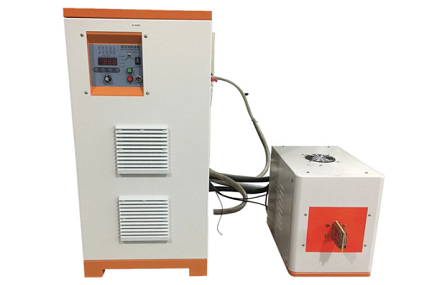
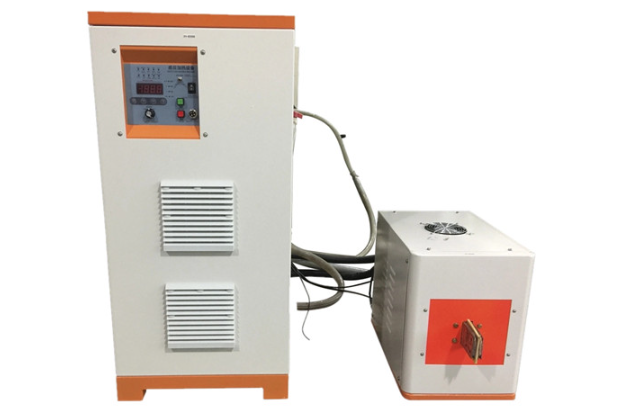
Our IGBT Tilting Melting Furnace range includes medium-frequency equipment designed for different metal melting applications and production needs.
2. What Are the Main Advantages of an IGBT Induction Melting Furnace?
2.1 Improved Energy Utilization and Lower Operating Costs
Energy consumption is one of the major cost factors in metal melting. When a furnace operates for multiple batches or extended production shifts, even a modest improvement in electrical efficiency can influence total operating expenses.
IGBT inverter technology provides responsive power regulation, helping the melting system deliver power according to the requirements of the process. When the furnace, induction coil, and power supply are properly matched, this can reduce avoidable electrical losses and improve energy utilization.
For manufacturers replacing older melting equipment, the potential benefits include:
Lower energy consumption per unit of metal melted under comparable operating conditions.
More effective use of available electrical power.
Better control of power delivery during different stages of the melting cycle.
Reduced dependence on coal or other combustion fuels when replacing fuel-fired equipment.
Actual energy savings depend on the original equipment, furnace capacity, metal type, charge condition, operating schedule, and electrical system configuration. Buyers should compare measured energy consumption per kilogram or tonne of molten metal rather than relying on a universal percentage.
2.2 Flexible Frequency and Power Control
Different metals and melting capacities require different operating conditions. A power supply that allows appropriate frequency and power adjustment gives manufacturers greater flexibility when processing different materials.
For example, our 15–300 kW, 1–20 kHz Medium Frequency Induction Melting Furnace uses an IGBT-based medium-frequency power supply, with the operating configuration selected according to the application.
Adjustable operating parameters can help manufacturers match the heating process to the metal, furnace capacity, induction coil, and crucible arrangement.
The benefits may include:
More suitable heating conditions for different metal types.
Flexible power adjustment during melting.
Better coordination between the power supply and furnace configuration.
Greater adaptability for workshops processing multiple alloys or batch sizes.
Frequency selection is important because it influences electromagnetic penetration and stirring behavior. The correct setting depends on the complete furnace system rather than frequency alone.
2.3 Efficient Melting and Electromagnetic Stirring
Induction melting produces electromagnetic forces that can create stirring within the molten metal. This movement helps distribute heat and mix the melt during processing.
When the furnace is properly designed and operated, electromagnetic stirring can support more uniform temperature distribution and alloy mixing. These characteristics are valuable for foundries and metal processing operations that require consistent molten metal conditions before casting or further processing.
The final result still depends on alloy composition, charge preparation, melting temperature, holding time, and operating parameters. Induction melting should not be treated as a substitute for any required refining or metallurgical treatment.
2.4 Potential Reduction in Furnace Lining Wear
The refractory lining or crucible is an important consumable in an induction melting furnace. Its service life affects maintenance requirements, production scheduling, and operating costs.
An appropriately selected frequency and power configuration helps establish suitable electromagnetic stirring and heating conditions. Avoiding excessive stirring and poorly controlled thermal conditions can help reduce unnecessary stress on the lining.
For manufacturers, this can contribute to more predictable maintenance planning and lower consumable costs over time.
However, lining life is not determined by the inverter alone. Refractory material, installation quality, sintering procedures, charge loading, operating temperature, and maintenance practices also play important roles.
2.5 Cleaner Operation Compared with Fuel-Fired Melting
Replacing coal-fired heating with an electric induction melting process can improve working conditions by eliminating direct coal combustion at the furnace.
Potential operational benefits include:
Reduced reliance on coal storage and handling.
No direct combustion exhaust generated by the electric melting process itself.
Less need to manage combustion-related residues at the furnace.
A more controllable heating process without an open fuel flame.
These advantages do not mean that induction melting produces no emissions under all conditions. Metal charges, fluxes, and other process materials can generate fumes or dust, so suitable ventilation and extraction may still be necessary. The overall environmental impact also depends on the electricity source and plant configuration.
2.6 Compact Equipment and Flexible Tilting Options
Equipment layout is another consideration for small and medium-sized manufacturers. The furnace must fit the available workshop space while supporting safe charging, melting, and pouring.
IGBT medium-frequency furnace configurations can offer a compact equipment arrangement for suitable small- and medium-batch applications. Our ZG-MFM series includes manual, electric, and hydraulic tilting options, allowing the pouring arrangement to be selected according to operating requirements.
When evaluating a furnace, buyers should consider not only the dimensions of the furnace body but also the space required for the power supply, cooling equipment, electrical connections, charging, maintenance, and metal handling.
The appropriate configuration depends on the required melting capacity and production workflow.
2.7 Flexibility Across Different Metal Types
IGBT medium-frequency induction melting furnaces can be configured for a range of ferrous and non-ferrous metals.
Depending on the model and furnace configuration, applications may include:
Steel and stainless steel melting.
Copper and brass melting.
Aluminum and aluminum alloy melting.
Zinc and tin melting.
Other suitable non-ferrous metal melting applications.
Different metals have different melting temperatures, electrical properties, and processing requirements. The furnace power, frequency, induction coil, and crucible or lining must therefore be selected for the intended material.
3. IGBT vs. SCR Induction Melting Furnace: What Is the Difference?
IGBT and SCR are different power semiconductor technologies used in induction heating and melting systems. Choosing between them requires more than comparing the component names or advertised energy savings.
| Comparison Factor | IGBT Medium-Frequency Furnace | SCR-Based Furnace |
|---|
| Power conversion | Uses IGBT switching devices in the inverter | Uses silicon-controlled rectifiers in the relevant power-conversion circuit |
| Power and frequency regulation | Supports responsive control according to the system design | Control characteristics depend on the specific power-supply architecture |
| Energy consumption | Can offer improved energy utilization in suitable applications | Depends on system design, load, and operating conditions |
| Equipment arrangement | Can provide a compact configuration for suitable capacities | Physical size depends on the furnace and power-supply design |
| Application suitability | Often considered for flexible medium-frequency and small- to medium-batch melting | May remain suitable for other production requirements and established system configurations |
| Selection priority | Match frequency, power, capacity, and operating cycle to the process | Evaluate the same factors alongside investment and operating costs |
There is no universal rule that one technology is the best choice for every foundry. A meaningful comparison should consider energy consumption per unit of metal, required output, initial investment, electrical infrastructure, maintenance, and the intended production schedule.
For buyers upgrading an existing furnace, the cost of replacing the power supply and associated equipment should also be included in the evaluation.
4. Which Industries Can Benefit from an IGBT Induction Melting Furnace?
IGBT medium-frequency induction melting technology can be considered for several types of metal processing operations.
Foundries and casting workshops
These businesses can use induction melting to prepare molten metal for casting. Furnace capacity and melting speed should be matched to the required pouring schedule and casting volume.
Copper and brass processing plants
Copper and brass melting applications may include scrap recycling, alloy preparation, and supplying molten metal for subsequent forming or casting processes.
Aluminum processing businesses
Aluminum and aluminum alloy manufacturers can use suitable induction melting configurations for batch melting and casting preparation. Charge quality, temperature control, oxidation, and the selected crucible or furnace arrangement require particular attention.
Steel and stainless steel workshops
Small- and medium-batch steel or stainless steel melting requires appropriate power, thermal capacity, and refractory materials. The selected model must meet the actual batch and production requirements.
Non-ferrous metal recycling operations
Businesses processing metal scrap can evaluate induction melting based on the composition and condition of the feedstock, the required output, and the downstream casting or processing process.
5. How to Choose the Right IGBT Induction Melting Furnace
Selecting the right furnace begins with the production requirement, not simply the rated power or maximum advertised capacity.
Before requesting a quotation, consider the following factors.
1. Metal type and alloy
Specify whether the material is steel, stainless steel, copper, brass, aluminum, zinc, tin, or another alloy. Different materials require different melting conditions and compatible furnace components.
2. Batch capacity and required output
Define the normal batch size, maximum batch size, and required production output per hour or shift. A furnace's maximum batch capacity does not automatically indicate its hourly production rate.
3. Required melting time and temperature
The target melting temperature, starting condition of the charge, and available time for each batch all influence the power and furnace configuration.
4. Charge material and dimensions
Specify whether the feedstock consists of ingots, scrap pieces, wire, or other forms. Charge size, packing, and material condition can affect heating behavior and loading efficiency.
5. Electrical supply and cooling
Confirm the available voltage, phase, frequency, transformer capacity, and cooling-water conditions. The power supply and cooling system must be suitable for the selected equipment and operating schedule.
6. Pouring method and furnace structure
Determine whether manual, electric, or hydraulic tilting is appropriate for the production process. Also consider the available workshop space and the equipment required for safe metal handling.
7. Long-term operating costs
Compare the expected energy consumption, consumable requirements, maintenance needs, and production capacity. The lowest initial purchase price does not necessarily represent the lowest total cost of ownership.
Matching these factors to the intended application helps avoid purchasing a furnace that is either undersized for production or unnecessarily large for the actual workload.
6. Frequently Asked Questions
Q1. Is an IGBT induction melting furnace more energy-efficient than an SCR furnace?
An IGBT system can offer improved energy utilization compared with some conventional SCR-based systems. Actual savings depend on the equipment design, metal type, load, operating cycle, and electrical conditions. A like-for-like energy consumption comparison is the most reliable way to evaluate the difference.
Q2. What metals can an IGBT medium-frequency induction melting furnace melt?
Depending on the configuration, applications include steel, stainless steel, copper, brass, aluminum, zinc, tin, and other suitable metals. The furnace and crucible must be selected for the intended material and production conditions.
Q3. How does operating frequency affect metal melting?
Frequency influences electromagnetic penetration and stirring behavior. The appropriate frequency depends on the metal, batch size, furnace geometry, and induction coil design. Higher frequency is not automatically better for every melting application.
Q4. Can an IGBT induction melting furnace reduce crucible or lining consumption?
Properly matched power and frequency settings can help establish suitable heating and stirring conditions, potentially reducing unnecessary lining stress. Actual lining life also depends on refractory selection, installation, operating temperature, and maintenance.
Q5. How should I select the furnace capacity?
Start with the metal type, normal and maximum batch sizes, required output per shift, target melting time, and available electrical supply. These details help determine the appropriate furnace capacity and power rating.
Conclusion
An IGBT induction melting furnace can help metal manufacturers improve energy utilization, adjust heating conditions, support consistent melting, and manage operating costs. Its advantages are particularly relevant when the furnace configuration matches the material, batch size, and production schedule.
For small and medium-sized manufacturers, the right choice is not necessarily the furnace with the highest power rating or the largest advertised energy-saving percentage. It is the system that meets the required output while balancing energy consumption, melting performance, equipment investment, and long-term maintenance.