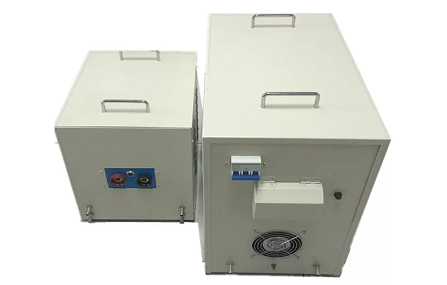
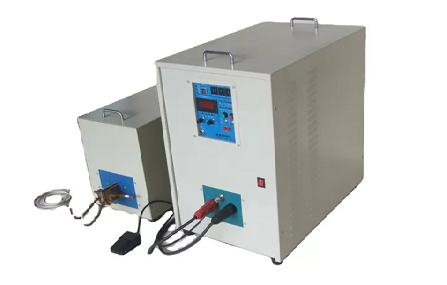
Induction heating provides a controllable and localized method of heating without direct contact with the parts or components being heated. Heat is generated by inducing an alternating magnetic field in electrically conductive materials. This technology is cost-effective to operate and often delivers significant savings compared to traditional process heating methods.
The process of melting metal has evolved considerably with the advancement of modern technologies. Today’s state-of-the-art foundries rely on induction melting furnaces, as they allow precise control over the melting process. While other methods for melting metals exist, induction heating remains a preferred choice due to its efficiency, accuracy, and cost advantages.
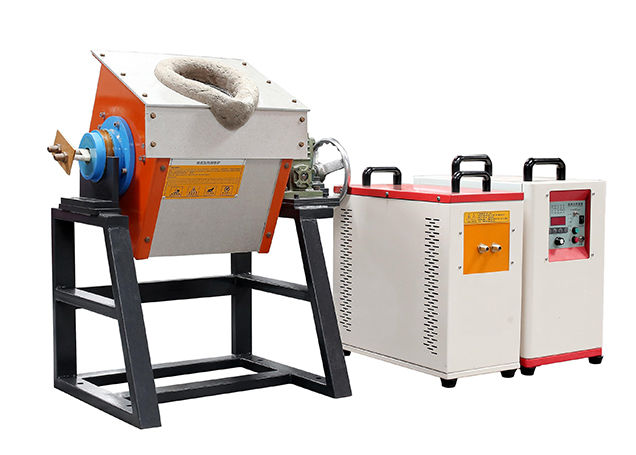
The Technology Behind Induction Melting Furnaces
The technology used in induction melting furnaces is remarkable. Electromagnets are employed to heat, melt, and stir metals. An electrical current is induced when the metal is placed within a constantly changing magnetic field. The metal and the conductor never make direct contact—hence the term "induction." Instead, the oscillating magnetic field generates resistance within the metal, causing it to heat up.
As the metal heats further, it begins to melt. The molten metal, now electrically charged, stirs itself naturally as the induced current interacts with the magnetic field. This self-stirring action helps to mix alloys evenly and continues the melting process efficiently.
Applications and Advantages of Induction Melting Furnaces
Induction melting furnaces can melt a wide range of metals, including silver, gold, aluminum, copper, zinc, brass, and silicon. They are also capable of melting iron and steel for industrial applications. Today, many industries use induction melting furnaces to achieve various goals. For example, the automotive industry and other manufacturing sectors have recognized the advantages of induction melting over traditional methods.
Induction furnaces are popular across industries because they provide versatile solutions for melting different types of metals while occupying relatively little space.
In addition, induction melting furnaces offer a "green" approach to metal melting. They are designed for energy efficiency, which can significantly reduce operational costs for companies. Environmentally conscious industries, such as those involved in solar energy production, have adopted induction melting to minimize their carbon footprint and lower energy expenses.
Induction Furnaces: Efficient, Versatile, and Environmentally Friendly
When considering metal melting options, induction furnaces provide a simple and effective method for handling a variety of metals, which contributes to their popularity. They are compact, requiring minimal space, which can help reduce operational costs. Additionally, for those concerned with both energy consumption and environmental impact, induction furnaces are an ideal choice.
Hitfar offers a wide range of induction heating equipment, power supplies, and metal heating furnaces, with output power ranging from 1 kW to 500 kW and frequencies from 1 kHz to 1 MHz.
These induction systems are capable of supporting a broad array of applications, including soldering, brazing, heat treating, bonding, melting, crystal treating, crystal growing, hardening, annealing, and shrink fitting.
We also provide high-frequency induction heaters for curing adhesives. Hitfar can deliver turnkey solutions from our standard product line and offers induction heating equipment for testing and developing custom solutions tailored to our customers' critical processes.