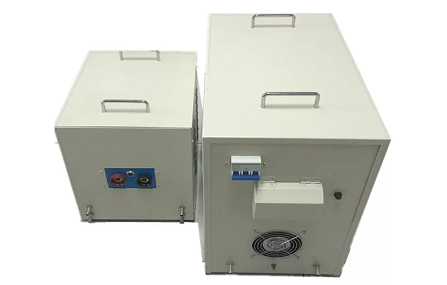
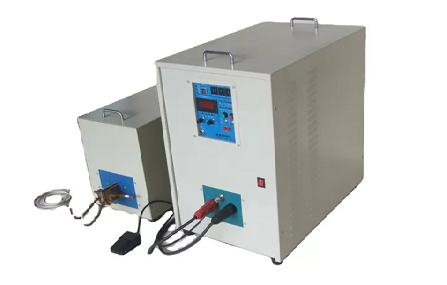
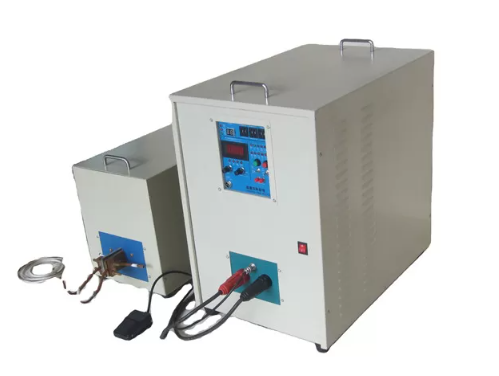
In metallurgy, air melting is the most common and fundamental method used to produce steel and other alloys. During this process, the metal is melted in a furnace exposed to the normal atmosphere, typically using an Electric Arc Furnace (EAF) or an Induction Furnace (IF). While this initial melting stage establishes the basic chemical composition of the alloy, exposure to atmospheric gases can also introduce impurities into the molten metal.
The key advantage of air melting is its cost-effectiveness and suitability for high-volume production across a wide range of industrial applications. However, because the melting process takes place under atmospheric conditions, the resulting material generally has lower purity and performance than alloys produced using advanced vacuum melting technologies.
The Fundamentals of Air Melt Production
To understand the role of air-melted materials, it is important to first understand the melting process and the characteristics it produces. As the most widely used melting method in metallurgy, air melting serves as the foundation for the majority of steel produced worldwide.
The Core Process
The air melt process begins by charging a furnace with raw materials, including scrap metal, pig iron, and selected alloying elements. The charge is then heated to its melting point using either a high-current electric arc in an Electric Arc Furnace (EAF) or electromagnetic induction in an Induction Furnace (IF), forming a molten metal bath.
A defining feature of this process is that the molten metal remains in direct contact with the surrounding atmosphere throughout the melting operation.
Key Characteristics and Impurities
Because melting takes place under normal atmospheric conditions, the molten metal can react with gases in the air, primarily oxygen and nitrogen.
These reactions result in the formation of non-metallic inclusions, such as oxides and nitrides, which become trapped in the solidified metal. Although typically microscopic, these inclusions can influence the mechanical properties of the finished steel.
Common Alloys Produced
Air melting is the standard production method for a wide range of common alloys where ultra-high purity is not required.
These include most carbon steels, low-alloy structural steels, many grades of stainless steel, and various tool steels. Together, these materials form the backbone of the construction, automotive, and general manufacturing industries.
Air Melt vs. Advanced Melting Processes
The limitations of air melting have led to the development of more advanced melting and refining processes that produce cleaner, higher-performance alloys. The primary distinction lies in the environment in which the metal is melted or remelted.
Vacuum Induction Melting (VIM)
Vacuum Induction Melting (VIM) is also a primary melting process, but it is carried out in a sealed vacuum chamber. By melting the material under vacuum conditions, VIM prevents the molten metal from reacting with atmospheric gases while also removing dissolved gases such as oxygen and nitrogen from the melt.
As a result, VIM produces a significantly cleaner and purer material than conventional air melting, with substantially fewer non-metallic inclusions.
Vacuum Arc Remelting (VAR)
Vacuum Arc Remelting (VAR) is a secondary refining process rather than a primary melting method. It uses a previously melted ingot—typically produced by air melting or VIM—as a consumable electrode.
The electrode is remelted under high vacuum using an electric arc, allowing the molten metal to solidify gradually in a water-cooled copper mold. This controlled solidification process further refines the material, improves internal structural uniformity, and minimizes defects and residual impurities. As a result, VAR is widely used to manufacture materials for highly demanding applications, including jet engine components and medical implants.
Understanding the Trade-offs of Air Melt
Selecting the right material requires balancing performance requirements with cost considerations. Air melting remains the industry's most widely used melting process because it offers an effective balance between production efficiency and material performance.
The Advantage of Cost-Effectiveness
Air melting is the most economical and efficient method for producing large volumes of steel. Compared with vacuum melting processes, it requires less complex equipment and shorter processing times, making it the preferred choice for manufacturing commercial-grade materials.
The Limitation of Inclusions
The primary limitation of air melting is the formation of non-metallic inclusions. These microscopic oxides, nitrides, and other inclusions can act as stress concentrators, creating potential sites for crack initiation. As a result, they can reduce the material's fatigue life and fracture toughness, particularly under high-stress or cyclic loading conditions.
Unsuitability for Critical Applications
Because of the potential impact of non-metallic inclusions, conventional air-melted steel is generally unsuitable for applications where material failure could have severe consequences. Critical aerospace components, high-performance bearings, surgical implants, and power generation turbine discs typically require the superior cleanliness and material integrity provided by secondary refining processes such as VAR.
Making the Right Choice for Your Application
Selecting the appropriate melting process is a critical engineering decision that directly affects material performance, reliability, safety, and overall cost.
· If cost efficiency and general structural performance are your primary priorities: Air melting is the standard and most economical choice for applications such as structural steel, automotive body components, and general industrial machinery.
· If enhanced toughness and fatigue resistance are required: Vacuum-degassed air-melted steel or material produced through a primary Vacuum Induction Melting (VIM) process offers improved cleanliness and is well suited for high-strength components such as gears and shafts.
· If maximum reliability and performance in demanding environments are essential: Double- or triple-melt processes, such as VIM followed by Vacuum Arc Remelting (VAR), are the preferred solution for aerospace, medical, and defense applications where the highest material quality is required.
Ultimately, selecting a melting process that matches the performance requirements of the application is the foundation of sound engineering design.
Summary Table:
| Aspect | Air Melt | Vacuum Induction Melting (VIM) | Vacuum Arc Remelting (VAR) |
|---|
| Process Environment | Normal atmosphere | Sealed vacuum chamber | High vacuum (secondary process) |
| Primary Use | Primary melting for common alloys | Primary melting for high-purity alloys | Secondary refining of premium alloys |
| Key Characteristic | Cost-effective, high-volume | High purity, fewer inclusions | Superior uniformity, defect-free structure |
| Typical Applications | Construction, automotive, machinery | High-strength components, some aerospace | Jet engine parts, medical implants, turbine discs |
| Relative Cost | Low | High | Very High |
Need Help Selecting the Right Material for Your Application?
Choosing between air-melted steel and advanced vacuum-melted alloys is an important decision that can significantly impact your project's performance, reliability, and cost. KINTEK provides laboratory equipment and consumables designed to support material analysis, from basic chemical composition testing to advanced inclusion characterization.
Our expertise helps you:
· Verify material quality to ensure it meets your application requirements.
· Optimize testing and research with reliable laboratory equipment that delivers accurate and consistent results.
· Make informed material selection decisions by understanding the advantages and limitations of different melting and refining processes.
Whether you are conducting material research, quality control, or process development, our team is ready to help you find the right laboratory solutions. Contact KINTEK today to discuss your application and discover the equipment that best meets your laboratory needs.