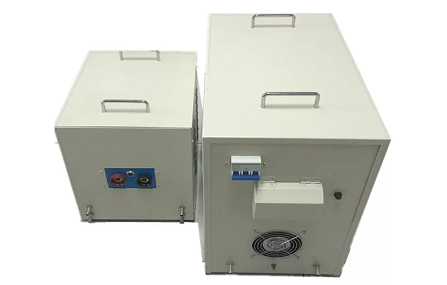
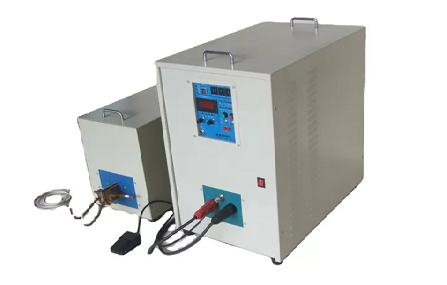
Induction heating offers a modern solution for enhancing welding processes through preheating, post-weld heat treatment (PWHT), and other industrial tasks such as coating removal or installing/removing shrink-fit components. While traditionally applied to magnetic base materials, induction heating can deliver substantial operational savings and efficiency advantages over conventional methods like flame, torch, or resistive heating. Could your welding or industrial maintenance operations benefit from implementing induction heating? Below are a few key applications.
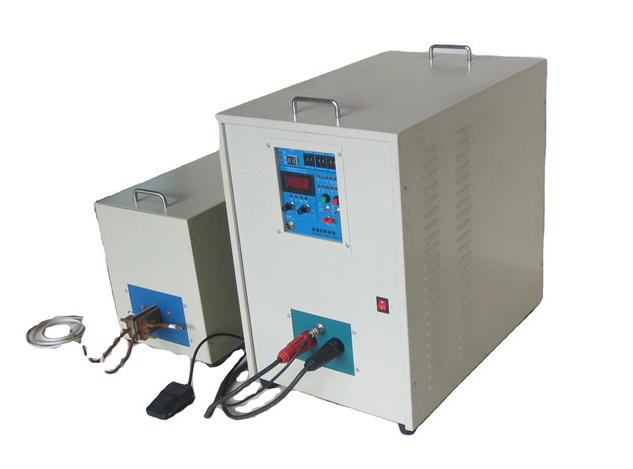
Enhance Operational Efficiency and Safety with Induction Heating
Heating components with fuel or oxy-fuel torches is a long-established method, offering flexibility through various fuel gases and torch setups to suit different applications. However, torches and fuel gases carry inherent risks, including burns, fires, and explosions. Resistive heating provides an alternative, but its high-temperature elements require cooling before they can be repositioned, slowing down operations.
Induction heating eliminates many of these safety concerns. Instead of generating heat directly, induction equipment produces eddy currents within the component, causing heat to radiate outward from the center. In most cases, the insulated induction heating blankets remain cool to the touch while the underlying component heats efficiently. For example, during welding, induction equipment can remain in place, allowing continuous operation, and can be quickly repositioned to the next joint once welding is complete.
Induction heating is also far more thermally efficient than resistive or torch methods. Greater thermal efficiency translates directly into cost savings: any joule of energy that does not heat the part—lost to the surrounding air, for instance—is wasted time and money. With induction heating, energy is focused precisely where it is needed, making the process faster, safer, and more cost-effective.
Welding Thick or High-Strength Low-Alloy Steels
The primary purpose of preheating is to slow the cooling rate of the weld zone, preventing the formation of brittle microstructures in both the heat-affected zone and weld metal. Preheating is critical, especially when high cooling rates are unavoidable—such as with thick materials—or when rapid cooling can exacerbate the risk of cracking, as is often the case with high-strength low-alloy (HSLA) steels.
Certain HSLA steels, including chrome-moly alloys, also require post-weld stress relief (PWHT) to mitigate residual stresses and reduce the risk of cracking. PWHT generally involves much higher temperatures than preheating, often exceeding 1050°F, and requires carefully controlled ramp-up and ramp-down cycles, consuming significant energy, time, and attention.
Modern induction heating equipment offers a smart and efficient solution. By installing a few thermocouples on the component, both preheat and PWHT can be automated. Equipment can be programmed to maintain precise interpass temperatures and PWHT ramp rates, eliminating the need for frequent manual checks with temperature-indicating crayons.
Both preheating and post-weld stress relief can be performed using the same induction power source, though specialized induction blankets are typically needed to safely handle the higher temperatures required for PWHT. This approach ensures consistent, controlled heating while improving safety, efficiency, and weld quality.
Handling High-Volume Heating and Large Components
Certain applications, such as shrink-fit installation or removal, involve components that are part of larger sub-assemblies. Moving the entire assembly or using a furnace is often impractical. Induction heating provides a clear advantage in these situations: modern induction equipment is relatively portable, allowing rapid, safe, and precise heating directly at the worksite.
In-service repairs may also require the removal of coatings applied over large surface areas. Conventional methods—such as chemical stripping—pose health and safety risks, while sandblasting generates significant particulate waste that must be managed.
Induction heating offers an efficient alternative. Because heat is generated internally within the component and radiates outward, certain coatings naturally disbond from the substrate in a process known as induction stripping. Once the coating loosens, it can be removed easily using mechanical methods like chipping or scraping, allowing large sections of coating to be stripped quickly and safely.
Don"t See Your Application Above? Consult an Expert
The use cases outlined above are just a fraction of what induction heating can achieve. Its versatility makes it ideal for any application requiring precise, localized heating of magnetic base metals. Within the world of induction heating, a wide range of equipment options exists, allowing performance and results to be tailored to your specific needs.
Industry experts and welding equipment suppliers are ready to help you identify the most suitable solution for your application, ensuring maximum efficiency, safety, and cost-effectiveness.