In today’s fast-paced industrial landscape, efficiency and cost savings are more critical than ever. One technology that has steadily gained traction across multiple industries is induction heating. Unlike conventional heating methods, induction heaters provide precise, rapid, and energy-efficient heating solutions for a wide range of applications, from metalworking and brazing to preheating and molding processes. In this article, we explore how induction heaters save energy, increase efficiency, and transform industrial operations.
Understanding Induction Heating
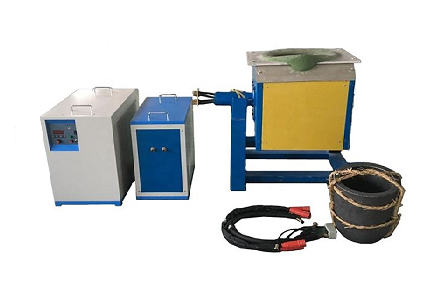
Induction heating works on the principle of electromagnetic induction. An alternating current (AC) passes through a coil to generate a high-frequency magnetic field. When a conductive material, typically metal, is placed inside this field, electrical currents—known as eddy currents—are induced within the material. These currents produce heat directly inside the workpiece, resulting in rapid and uniform heating.
Because the heat is generated internally rather than through a flame or external surface contact, induction heating offers several advantages over traditional methods. These advantages directly translate into energy savings and improved operational efficiency.

Energy Savings with Induction Heating
One of the most significant benefits of induction heaters is their energy efficiency. Traditional heating methods, such as gas furnaces or resistive heaters, often rely on indirect heat transfer, which leads to energy loss. Induction heaters, on the other hand, convert up to 95% of electrical energy into usable heat, significantly reducing wasted energy.
For industrial operations, this means:
· Lower electricity consumption – Induction systems consume less power for the same heating output compared to conventional methods.
· Reduced operational costs – Energy savings translate directly to cost reductions in large-scale manufacturing processes.
· Environmental benefits – Higher efficiency means a smaller carbon footprint and compliance with modern sustainability standards.
Studies have shown that induction heating can save 30–80% of energy compared to traditional heating methods, depending on the application and materials used. These savings are particularly valuable in industries like automotive, aerospace, and metal fabrication, where large volumes of components require repeated heating cycles.
Increased Industrial Efficiency
Besides energy savings, induction heaters enhance process efficiency in several ways:
Faster Heating Times
Induction heating delivers rapid temperature rise, often within seconds or minutes, depending on material and coil design. This speed reduces production cycle times and increases throughput.
Precise Temperature Control
Modern induction systems allow programmable temperature settings and automatic feedback control. This ensures that materials are heated exactly to the desired temperature, improving quality and reducing waste due to overheating or underheating.
Uniform Heating
Because heat is generated internally, induction heating provides consistent and uniform results. Parts are heated evenly, minimizing hotspots, warping, or material stress that often occurs with traditional heating methods.
Minimal Environmental Impact
Induction heaters generate heat only in the workpiece, not the surrounding environment. This reduces the need for additional ventilation or cooling systems and creates a safer, more comfortable workspace for operators.
Applications Across Industries
Induction heating is widely used across industrial sectors, including:
· Metalworking: Hardening, annealing, brazing, and soldering metals like steel, copper, and aluminum.
· Automotive Manufacturing: Preheating components before forging, bending, or assembly.
· Plastic & Rubber Industries: Heating molds or extrusion equipment efficiently.
· Food & Chemical Processing: Preheating pipes or vessels to maintain consistent temperatures.
· Tool and Die Production: Ensuring precise heat treatment of molds and cutting tools.
Portable and compact induction heaters further expand possibilities, allowing on-site repairs, maintenance, and flexible production setups.
Conclusion
Induction heaters have emerged as a powerful solution for industries aiming to reduce energy consumption, increase efficiency, and maintain high-quality production standards. By delivering rapid, precise, and uniform heating, they not only lower operational costs but also enhance overall productivity. Whether for large-scale manufacturing or specialized applications, induction heating technology offers measurable benefits that modern industrial operations cannot afford to ignore.
For companies looking to improve energy efficiency and streamline production, investing in high-quality induction heating equipment is a strategic choice that pays off both economically and environmentally.