If you’re looking to install a new boiler or replace an existing one, you’ll usually be comparing two main home heating options: gas boilers and electric boilers. In the UK, these remain the most widely used central heating systems, both known for being efficient, cost-effective, and relatively easy to operate.
However, choosing the right system for your home isn’t always straightforward. Should you go with a gas boiler or an electric boiler? The answer depends on your property type, energy access, and heating needs.
In this guide, we’ll break down how each system works, along with their key differences and benefits, so you can make a more informed decision. Let’s start by understanding how each type of boiler operates.
What is an electric boiler?
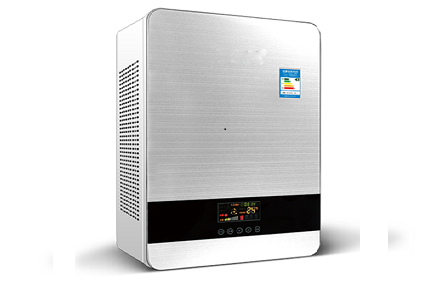
An electric boiler generates heat by converting electricity into thermal energy, rather than burning fuel. Because they don’t rely on gas or combustion, they are often considered a cleaner and simpler heating solution.
Electric boilers are typically installed in smaller homes, apartments, or properties with lower hot water and heating demand. They are also a practical choice for homes that are not connected to the mains gas network.
What is a gas boiler?
Gas central heating continues to dominate in many households. In fact, recent data shows that over 74% of homes still rely on a gas boiler for heating and hot water.
A gas boiler works by burning natural gas to produce heat, which is then used to warm water for radiators and taps. Most homes receive natural gas through the national gas grid, while properties without access to this network may use LPG (liquefied petroleum gas) instead.
Although gas boilers primarily run on gas, they also require a small amount of electricity to power ignition systems, controls, and ongoing operation. However, their electricity usage is minimal compared to fully electric systems.
Electric boilers vs gas boilers: which is more energy efficient?
Electric boilers generate heat by converting electricity directly into energy, with no combustion process involved. Because they do not burn fossil fuels, there are no flue losses or exhaust gases, meaning almost all the input energy is used for heating. This is why electric boilers are often considered highly efficient in operational terms, and their performance can be even more sustainable when paired with renewable energy sources such as solar panels.
Gas boilers, on the other hand, are also highly efficient under modern standards. In many regions, including the UK, current regulations require all new gas boilers to be A-rated for energy efficiency, typically achieving at least 90% efficiency. This means that only a small portion of energy is lost during combustion and heat transfer. Gas systems are often better suited for larger homes or properties with higher heating and hot water demand, where they can maintain stable performance more effectively than electric alternatives.
Electric boiler vs gas boiler: which is safer?
Safety is another key factor when comparing these two systems. Electric boilers are generally considered safer because they do not involve combustion or fuel storage. With no burning process, there is no risk of gas leaks or carbon monoxide production. However, like any electrical appliance, they still require proper installation, maintenance, and periodic servicing to ensure long-term reliability and efficiency.
Gas boilers, while widely used and well-regulated, involve burning fuel to generate heat, which introduces additional safety considerations. A malfunction or gas leak can lead to serious hazards, including carbon monoxide exposure. Carbon monoxide is particularly dangerous because it is colorless and odorless, making it impossible to detect without proper equipment.
For this reason, building regulations require carbon monoxide alarms in any room where fuel-burning appliances are installed. With correct installation, ventilation, and regular servicing, gas boilers remain safe to use—but they do carry inherently higher safety risks compared to fully electric systems.
Electric boilers vs gas boilers: which is more expensive?
Which costs more to run?
Running costs are where the difference between electric and gas boilers becomes most noticeable. Based on current energy price cap figures in the UK, electricity costs around 28.62p per kWh, while gas is significantly cheaper at approximately 7.42p per kWh.
To put this into perspective, if a gas boiler uses 24kWh of energy, it would cost roughly £1.78 per hour to heat a home. In comparison, a 12kW electric boiler could cost around £3.43 per hour to operate. Even though electric boilers convert energy more efficiently, electricity prices are considerably higher, which makes them more expensive to run in most cases.
Actual running costs will vary depending on property size, insulation quality, and usage habits. For example, a five-bedroom house will naturally consume more energy than a small two-bedroom flat. As a result, electric boilers are often the most expensive option in terms of day-to-day heating costs, despite their high efficiency.
Which costs more to maintain?
When it comes to maintenance, electric boilers generally have the advantage. They contain fewer moving parts and do not involve combustion, which means there is less wear and tear over time. As a result, maintenance costs tend to be lower, and breakdowns are less frequent.
Gas boilers, by contrast, require more regular servicing due to their mechanical and combustion components. Manufacturers typically recommend an annual boiler service, ideally before the colder months begin in autumn, to ensure safe and efficient operation throughout winter. In many cases, skipping this annual service can also void the manufacturer’s warranty, potentially leading to higher repair costs if something goes wrong.
Overall, while electric boilers may cost more to run, they can offer savings in long-term maintenance. Gas boilers, however, are usually cheaper to operate but require more ongoing servicing and care.
Electric boilers vs gas boilers: which is more effective?
When comparing overall effectiveness, electric boilers are often considered highly efficient because they convert nearly all electricity into usable heat with minimal energy loss. Even compared to modern gas combi boilers, electric systems waste very little energy during operation.
However, efficiency does not always translate into lower running costs. Electricity prices are significantly higher than gas, which means electric boilers can still be more expensive to operate in everyday use.
Electric boilers can also be integrated with renewable energy systems, such as solar panels. When powered by self-generated electricity, they can become far more cost-effective and environmentally friendly, helping to offset higher grid electricity prices.
On the other hand, modern gas boilers installed in the UK are required to meet strict efficiency standards, typically achieving at least 90% efficiency. While they may not match electric boilers in terms of energy conversion, they are often more practical for homes connected to the gas grid, especially where consistent high-volume heating is required. In many cases, gas systems remain more cost-effective for larger households due to lower fuel prices.
Electric boilers vs gas boilers: which is easier to install?
In general, electric boilers are easier and quicker to install. The process typically takes 1–3 days because they do not require a gas connection, flue, or condensate pipe. This makes them a convenient option for properties without access to the gas network or for smaller heating systems.
However, they still require proper electrical connections and must be installed and tested by a qualified and certified engineer to ensure safety and compliance with building regulations.
Gas boilers usually take around 1–2 days to install, but the process can be more complex. Installation involves connecting to the gas supply, fitting a flue system, and ensuring proper ventilation and safety measures. In some cases—such as relocating the boiler or upgrading an old system—the installation time may be longer.
Overall, electric boilers offer simpler installation, while gas boilers require more infrastructure but remain widely compatible with existing heating systems.
Electric boilers vs gas boilers: how long do they last?
The lifespan of a boiler depends on its build quality, usage, and how well it is maintained over time. In general, electric boilers tend to last longer than gas boilers because they have a simpler internal structure and fewer mechanical components.
Electric boilers typically have a lifespan of around 15 to 25 years. Since they do not rely on combustion or as many moving parts, they are less prone to wear and tear, which helps reduce the likelihood of breakdowns over time. Even so, regular servicing is still recommended annually to ensure safe and efficient operation, regardless of the system type.
By comparison, gas boilers generally last around 10 to 15 years. This shorter lifespan is mainly due to their more complex design, which includes burners, heat exchangers, and flue systems that are exposed to higher levels of stress during operation. While some high-quality models may last longer with proper maintenance, they typically require more frequent repairs and component replacements over their lifetime.
Overall, electric boilers are often considered more durable in the long term, while gas boilers may need replacing sooner but are still widely used due to their lower running costs and suitability for larger heating demands.
Electric boilers vs gas boilers: pros and cons
Electric boiler pros and cons
Pros
· They’re better for the environment than natural gas boilers.
· They tend to be a lot quieter when in operation.
· There is no risk of carbon monoxide leaks or poisoning.
· The installation of electric boilers is more flexible.
· There are no emissions as it heats a home.
· They don't require a chimney or flue.
Cons
· They are more expensive to run.
· Most electricity is made by burning fossil fuels.
· Some electric boilers may struggle to meet the demands of a larger property.
· A power cut will impact access to heating and hot water.
· They lack industry support due to their rarity.
· Most are expensive compared to the gas boiler alternative.
Gas boiler pros and cons
Pros
· They are cheaper to run than electric boilers.
· There are plenty of gas boilers on the market, meaning more choices.
· These are the most affordable options for those on a budget.
· They can meet the heating demands of all property types for hot water and heating.
· Boiler replacement is often simple.
· New gas boilers are all A-rated for energy efficiency.
Cons
· Getting an annual boiler service is necessary to help maintain its efficiency and condition.
· With more moving parts, problems can arise over time.
· A flue run to the exterior of the property is needed.
· Not all homes are connected to the gas network.
Electric vs gas boilers: which is best for you?
When deciding between gas and electric boilers, it’s important to balance running costs with environmental impact. Electric boilers are generally cleaner in operation and can be more sustainable when powered by renewable electricity, but they usually come with higher running costs compared to gas systems.
You should also consider the size of your property and your heating demand. Electric boilers are most commonly used in smaller homes because they can meet lower heating and hot water requirements without excessive energy consumption. They are also often chosen in properties where there is no access to a gas supply, or where installing a flue system is not practical.
In contrast, gas boilers are typically more cost-effective to run, especially in homes with higher energy demand. They provide a reliable and economical solution for larger properties connected to the gas network.
Ultimately, the choice between an electric and a gas boiler depends on your home, your budget, and your priorities in terms of cost, efficiency, and environmental considerations.
Frequently asked questions
Which lasts longer: gas or electric boilers?
Electric boilers generally last longer than gas boilers because they have fewer moving parts and are less prone to wear and tear. In many cases, an electric boiler can last 20 years or more when properly maintained.
Gas boilers, by comparison, typically have an average lifespan of around 10–15 years due to their more complex internal components and combustion system. Regardless of the boiler type, regular servicing and maintenance are recommended to help ensure long-term performance and reliability.
What are electric combi boilers?
An electric combi boiler is a heating system that runs entirely on electricity rather than using both gas and electricity like a traditional gas combi boiler.
It works in a similar way to a standard combi boiler by providing heating and hot water directly from a single unit. However, instead of burning fossil fuels to generate heat, an electric combi boiler converts electricity into thermal energy to heat the home and water supply.